EXPLORE / ENGINEERING IN PRACTICEWhen the ordinary plan ends.
Two very different casualties. Follow the evidence, then examine the forces, support systems and decisions behind their recovery.
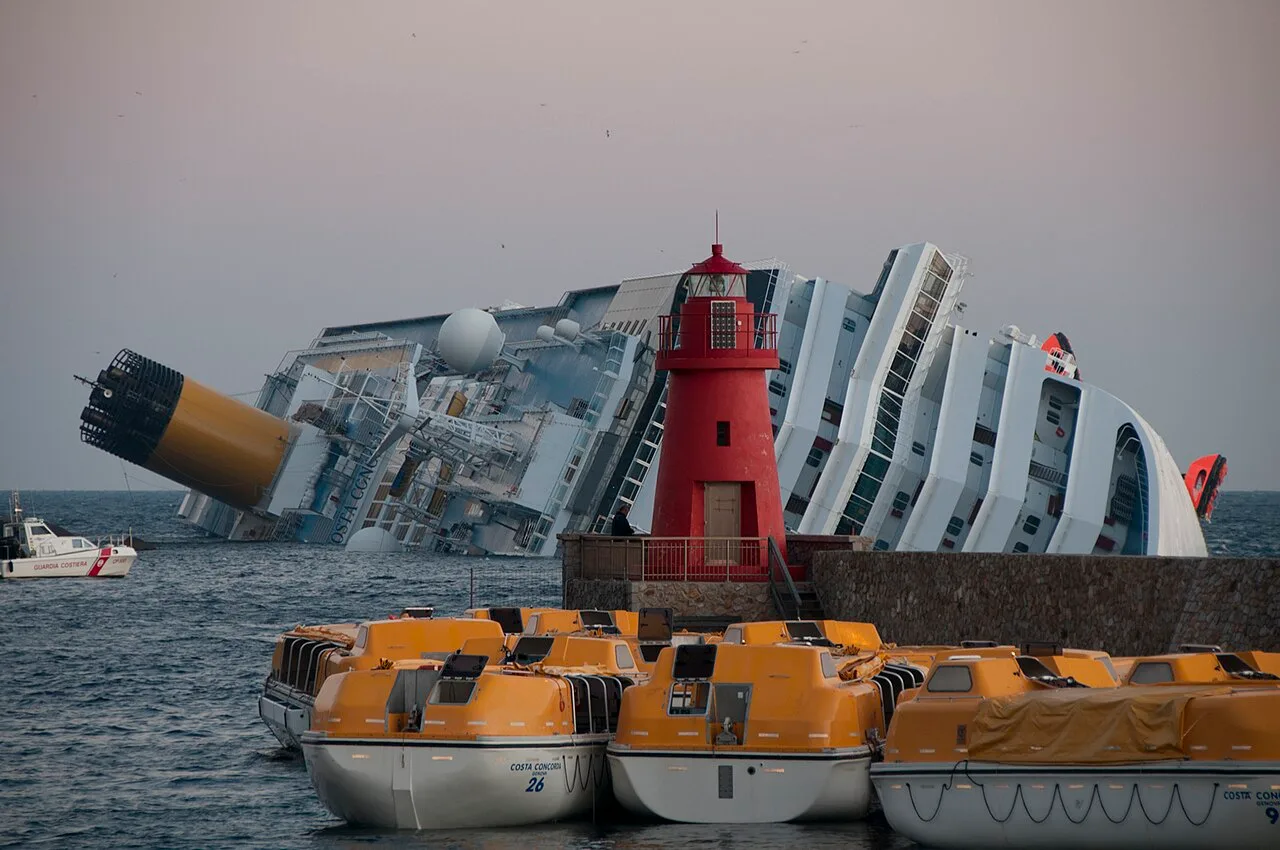 2,085 WORDS / 3 DIAGRAMS
How engineers stabilized, rotated and refloated a damaged passenger ship, and why supporting the wreck was as important as applying the force to move it.
Read the case study →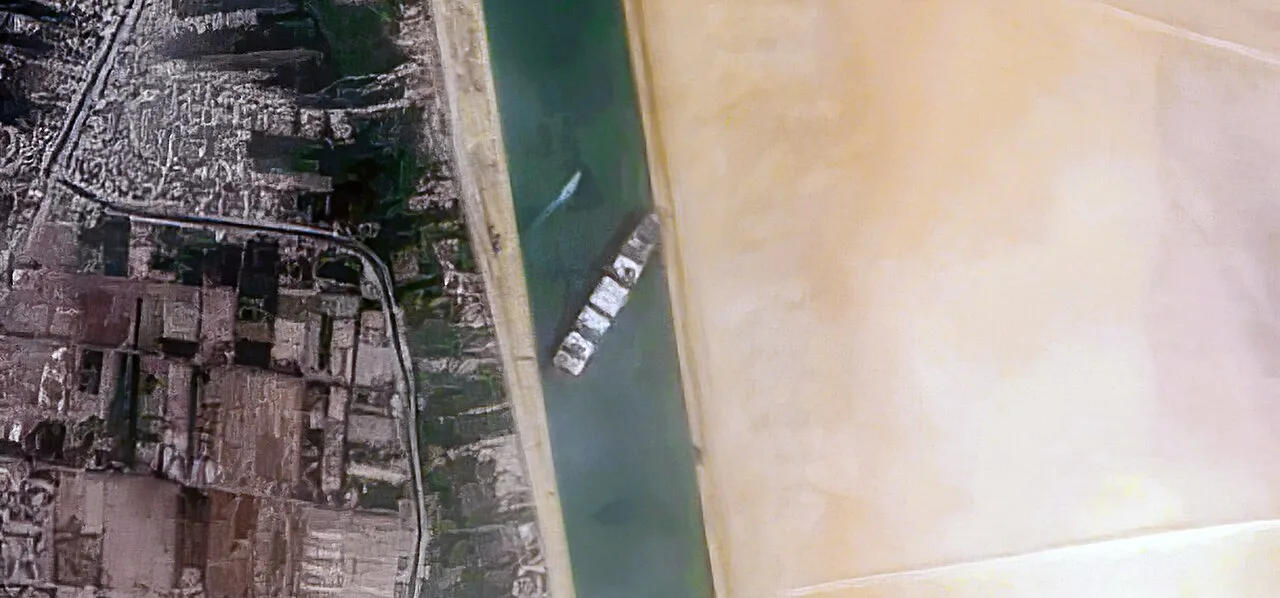 2,054 WORDS / 3 DIAGRAMS
How ground support, dredging, buoyancy, ballast and coordinated tug forces interact, using the March 2021 salvage as a sourced engineering case study.
Read the case study →Two different recovery problems
| Question | Ever Given | Costa Concordia |
|---|
| Starting condition | A grounded ship obstructing a canal | A wreck lying on its side near Giglio |
|---|
| Main concepts | Ground reaction, excavation, buoyancy and tug forces | Stabilization, rotation, prepared support and added buoyancy |
|---|
| Documented milestone | Refloated 29 March 2021 (2021-03-29) | Righted September 2013; removed July 2014 |
|---|
| Evidence | Flag-state investigation and salvage-contractor accounts | Italian Civil Protection and recovery-contractor accounts |
|---|
Sources, dates and the limits of each illustrative diagram are identified in the full case studies. For the underlying principles, start with ballast and buoyancy or ship handling.