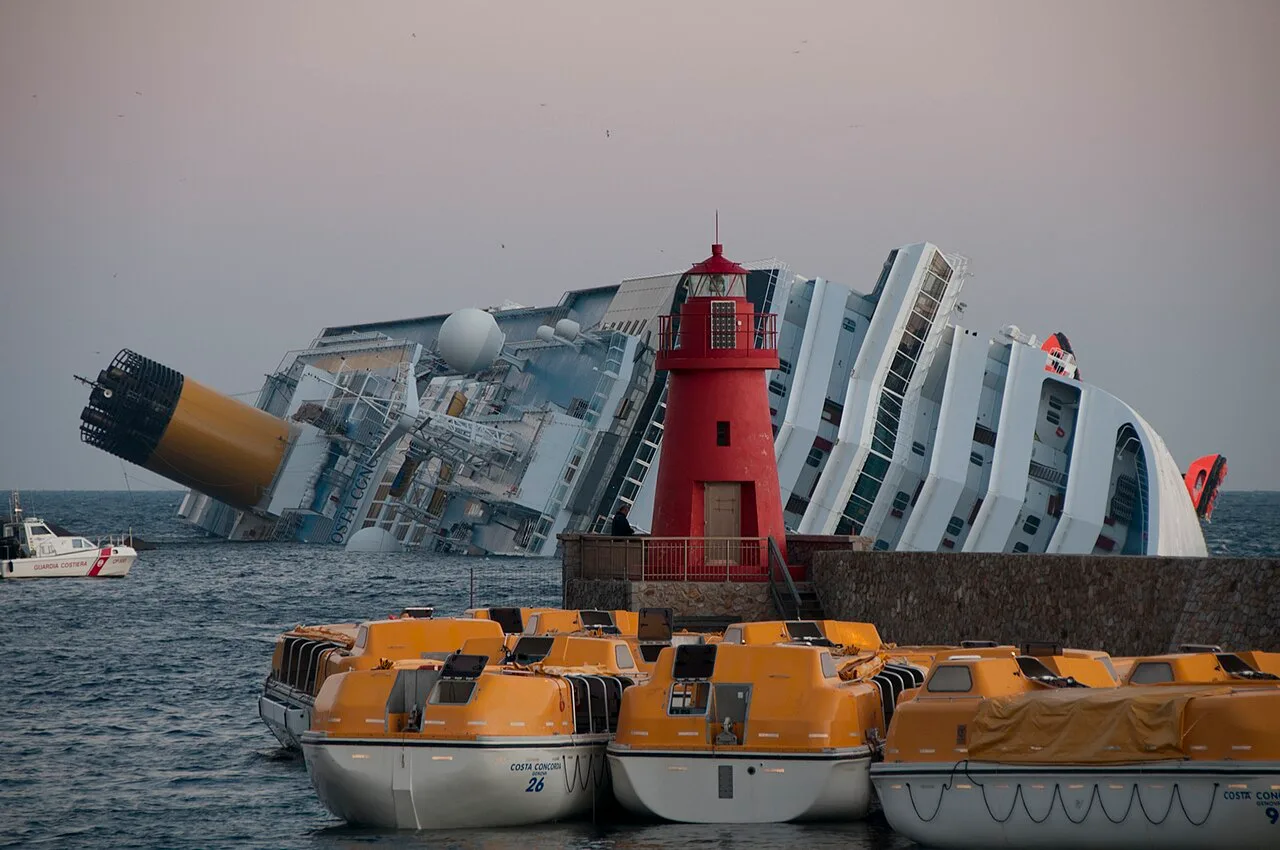
How engineers stabilized, rotated and refloated a damaged passenger ship, and why supporting the wreck was as important as applying the force to move it.
Follow a manoeuvre from the bridge command to the forces in the water, with worked examples, original diagrams and a close look at why stopping takes time.
Why ships carry seawater, how crews move it through the hull, and why stability, structural strength and biological treatment are different parts of the same operation.
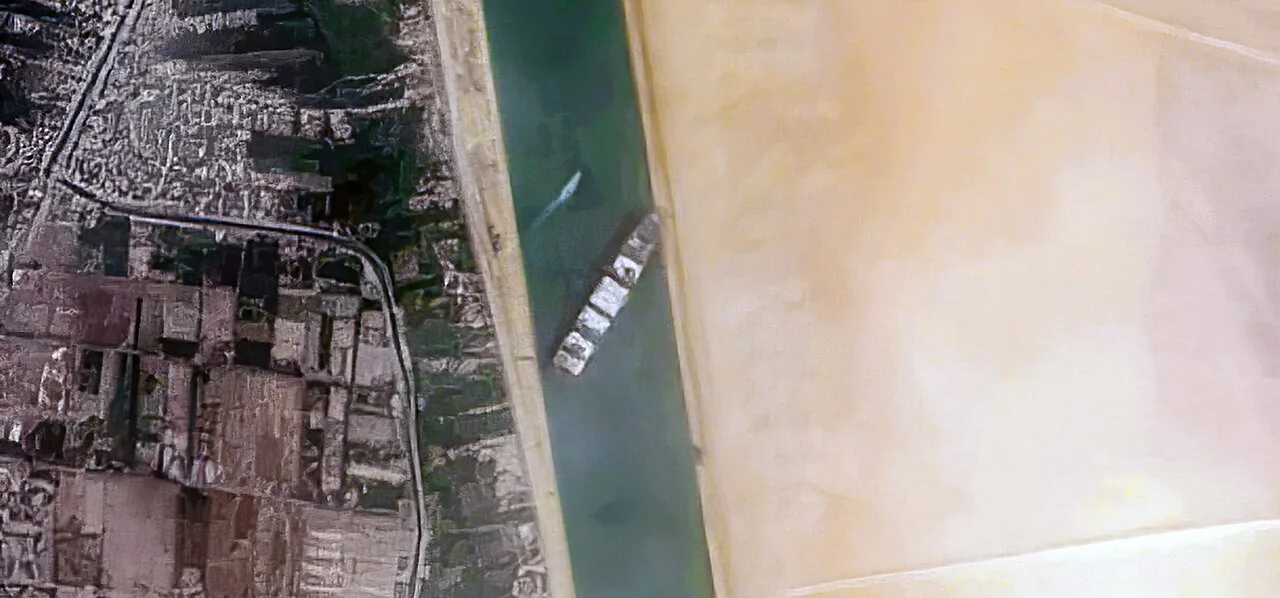
What it takes to keep a large vessel working, from watchkeeping and refrigerated stores to fuel budgets, port calls, dry docking and the costs a headline price leaves out.
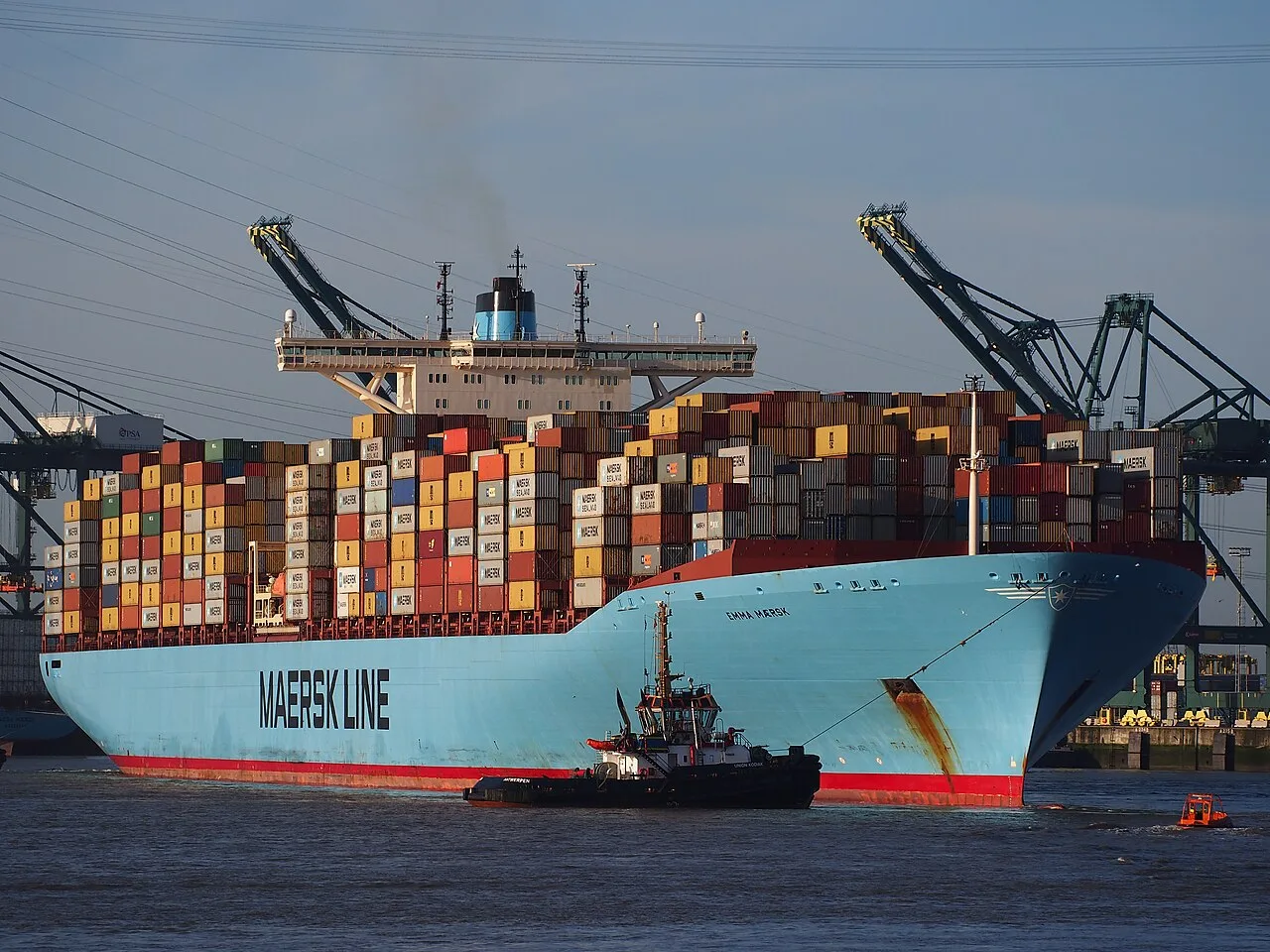
The world largest container ships carry over 24,000 TEU, yet virtually none exceed 400 metres in length. Here is the engineering behind the 400-metre barrier, from hull girder bending and open-deck torsion to the beam expansion that reshaped global shipping.
By Alykhan Virani · Published: 2026-09-29Read the story →SHIPBUILDING · EXPLAINER
How ships tame side-to-side motion at sea and at anchor, with detailed explanations of fins, anti-roll tanks, gyroscopes, control systems and their limits.
By Alykhan Virani · Published: 2026-09-09Read the story →SHIPBUILDING · EXPLAINER
A detailed guide to hull shape, bulbous bows, resistance, stability and structure, with worked examples, five original diagrams and engineering videos.
By Alykhan Virani · Published: 2026-09-09Read the story →SHIPBUILDING · EXPLAINER